Touch Me
Installation view of Finnegan Shannon, There's no me without you, Pioneer Works, 2026.
Photograph by Dan BradicaA few years ago, my dear friend Le’Andra LeSeur grabbed my arm at Pioneer Works and pulled me toward Finnegan Shannon’s studio. “You need to meet them,” she said, and within minutes I understood why. Shannon creates interventions that reorganize how bodies and artworks meet. Where museums demand we stand and move at their pace, Shannon's works flip the expectations by centering disabled audiences while also opening new possibilities for how any body might inhabit these spaces. Shannon's practice challenges the hierarchies embedded in institutional spaces, where artwork preservation typically takes precedence over human experience. Their installations—benches that visitors can sit on, a massage chair that touches back, a conveyor belt that brings art to seated viewers—invert these priorities. This refusal to conform to how society requires us to move, this insistence on repositioning the body against institutional expectations—is a fundamentally queer form of resistance, and one I recognize intimately. What emerges in our conversation is an artist who uses humor, tenderness, and collaboration as political tools. Shannon acknowledges that creativity isn't solitary genius but collective knowledge—their installations literally support other artists' work. From their childhood in youth circus to discovering the Sisters Against Disablement archive, Shannon traces histories of bodies moving on their own terms, revealing how disability and queerness intersect in refusing to comply with societal and spatial expectations. Their exhibition, There's no me without you, is on view at Pioneer Works through December 20, 2026.
—Ksenia M. Soboleva
I read this article by writer and curator Emily Watlington recently that described your work as institutional repair rather than institutional critique, which I thought was very astute. You’re not just exposing a museum’s failure, but actively proposing a solution. You challenge fundamental assumptions around embodiment: how bodies are expected to appear, how they’re supposed to navigate space, what constitutes an acceptable way of moving through the world, and moving through museum galleries. There’s something inherently queer about this disruption of bodily norms. I wanted to start by asking how queerness intersects with disability in your work?
I've been disabled since I was born, but I came to queerness later in my life. Though I can look back and see queerness everywhere in different ways. But I have been out as trans or non-binary only for the past five or six years. It feels much mushier to me, but I know it's there; so much of my life and work is about pushing against norms around what a valuable life is, and the ways in which we are expected to move through the world.
I did this project recently with two collaborators, Olivia Dressinger and Bojana Coklyat, called Alt Text Selfies, which collected self-descriptions. I think each of us came to that project with different interests, but for me I was thinking about self-describing gender, and how confusing that feels to me [laughs]. I was excited to read how other trans people, non-binary people, or people generally fucking with gender think about self-description. But then in some of my other work queerness feels much more nebulous or foggy to me. It's there, but it's harder for me to articulate or put language to it.
Because you have all this experience in the disability community, it might seem like queerness came later. But actually they're profoundly aligned. I'm working on a book project titled Friendship As A Way Of Art: Queer Identity and Visual Citation, and its departure point is an interview with Michel Foucault from 1981, where he argues that the real threat of queerness isn't sexual identity or acts themselves, it's the multiplicity of relationships and collaborations that emerge from a queer way of life. Instead of linear art historical narratives, I’m invested in studying the constant cross-pollination of ideas. With your installation Don’t Mind If I Do (2023), a conveyor belt—like the ones at sushi restaurants—brings artworks made by your artist peers directly to seated viewers, rather than demanding the viewers’ movement. Not only are you flipping the expected encounter with artworks, you’re also suggesting that art-making is inherently collective. No artist creates in a vacuum; we’re all dependent on networks of care, exchange, and collaboration.
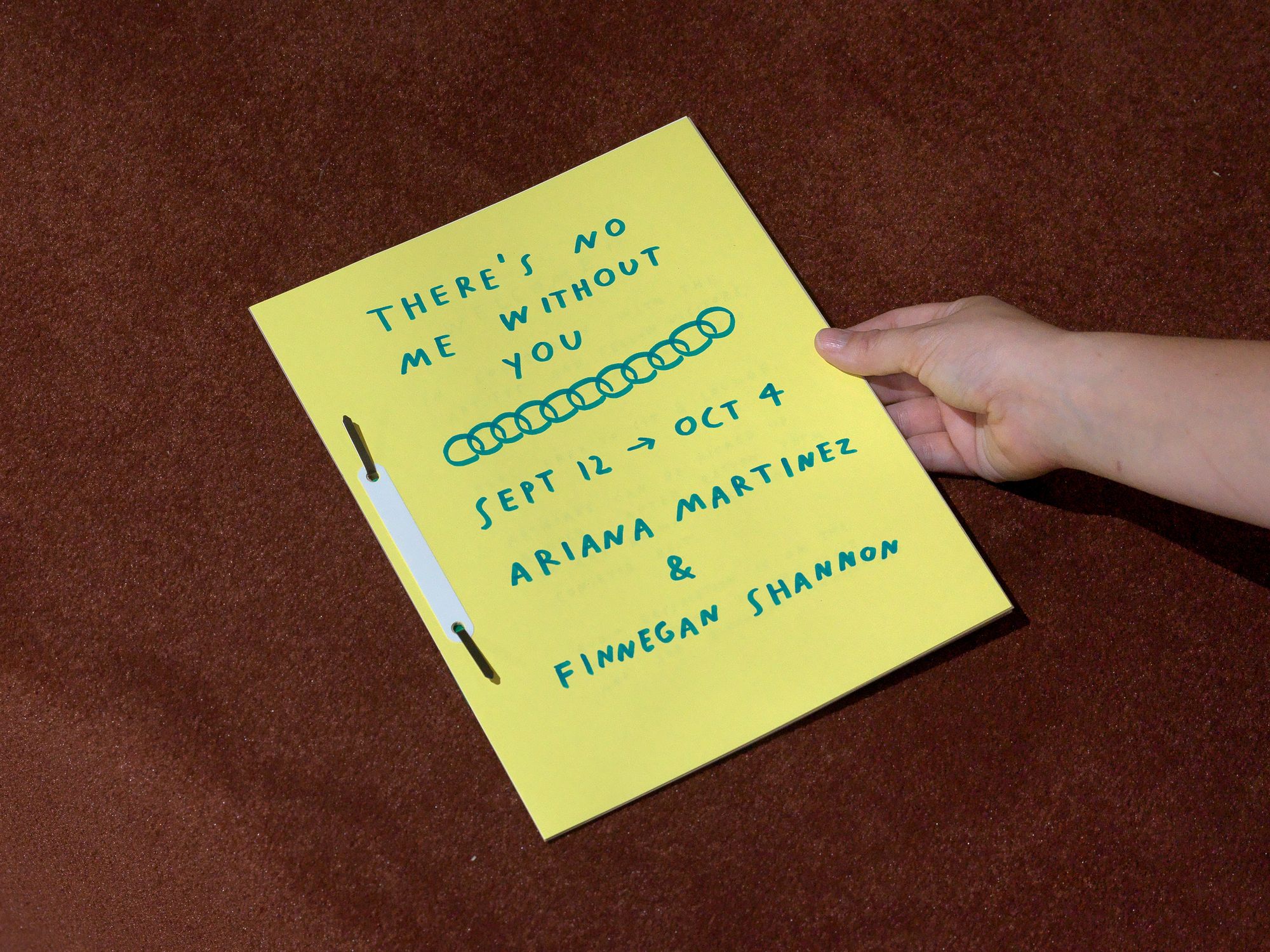
Booklet for Ariana Martinez's presentation of There's no me without you, Pioneer Works, 2026.
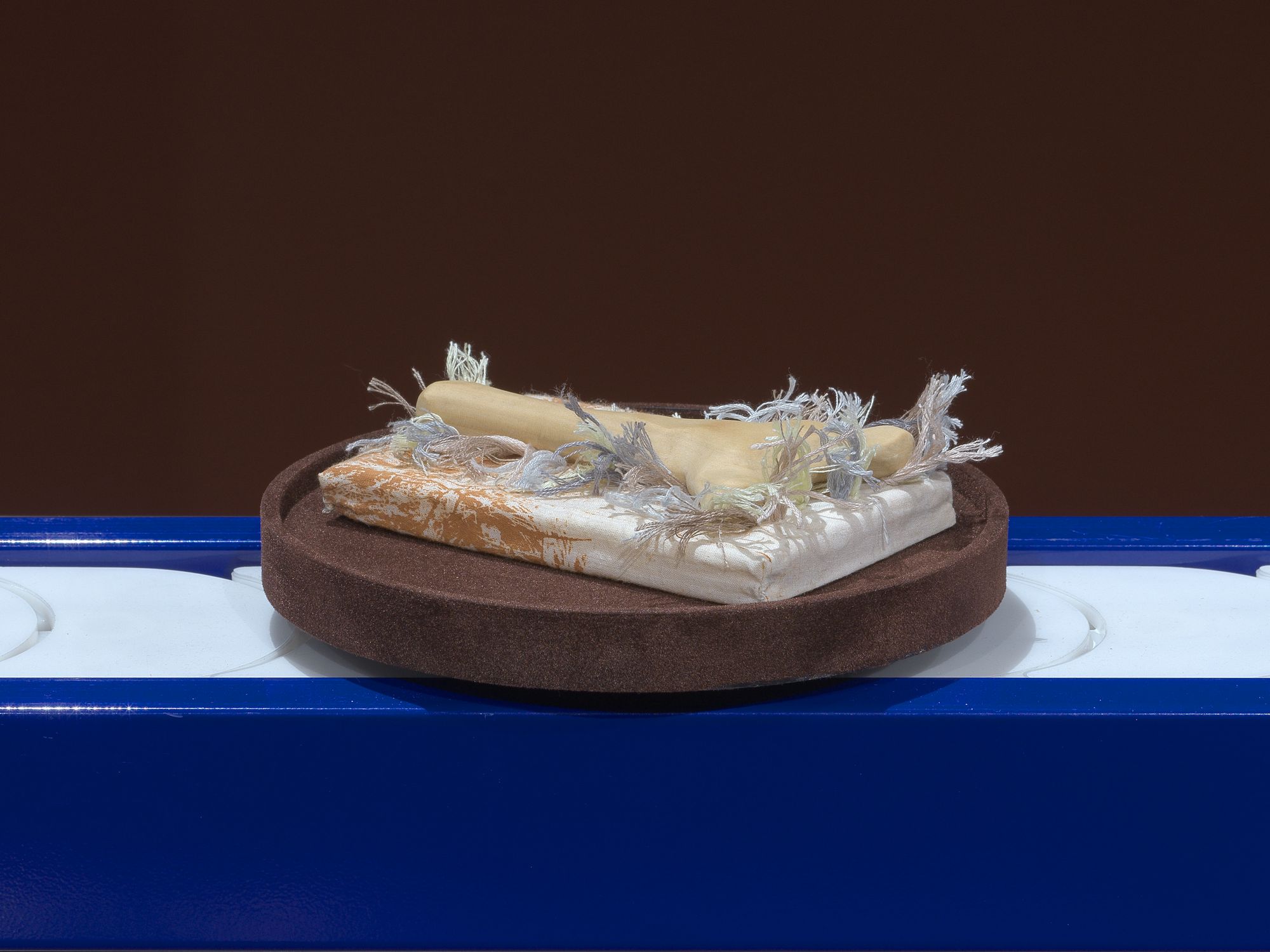
Installation view of Ariana Martinez’s presentation as part of There’s no me without you, an exhibition by Finnegan Shannon at Pioneer Works, 2026.
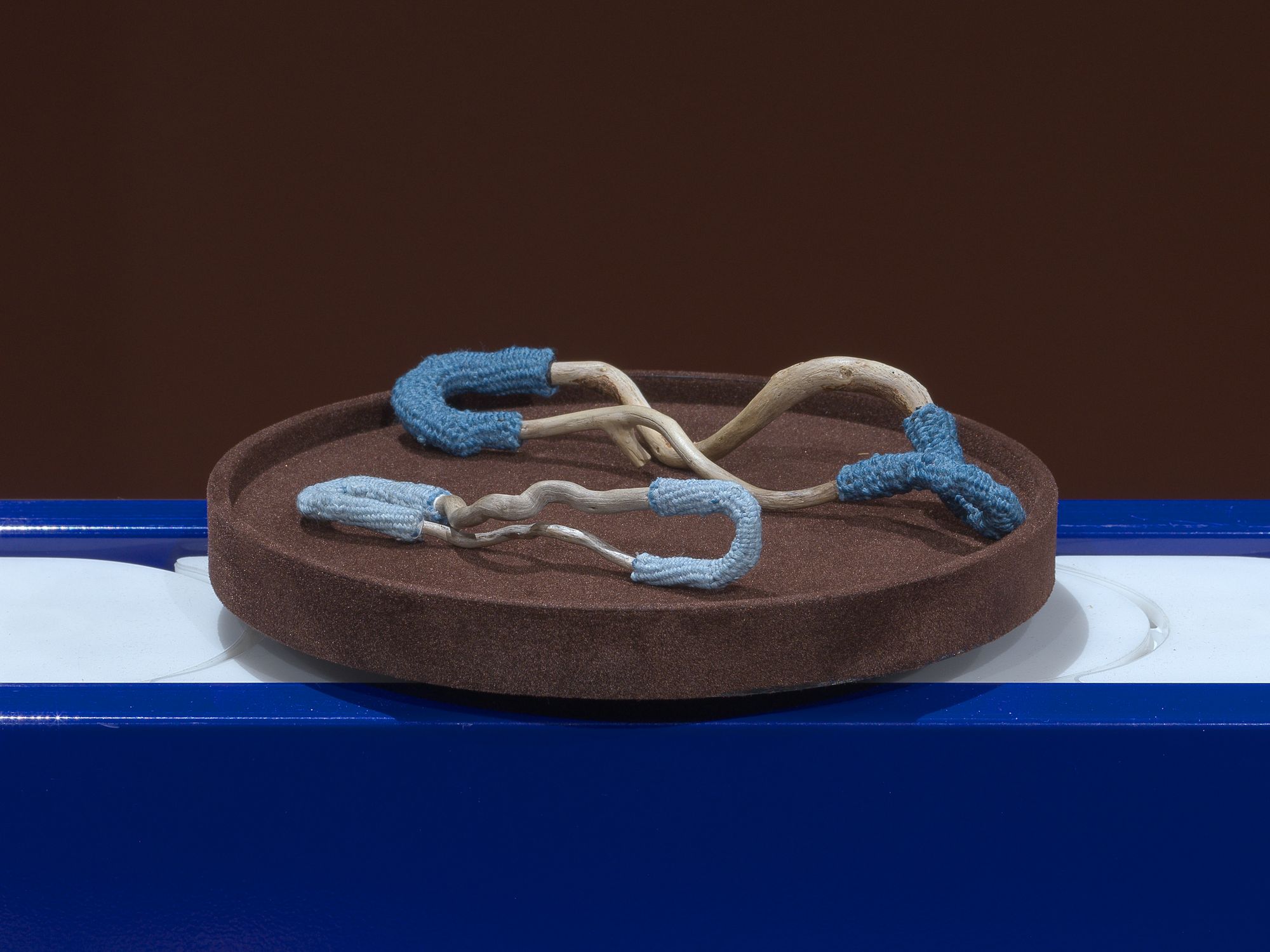
Installation view of Ariana Martinez’s presentation as part of There’s no me without you, an exhibition by Finnegan Shannon at Pioneer Works, 2026.
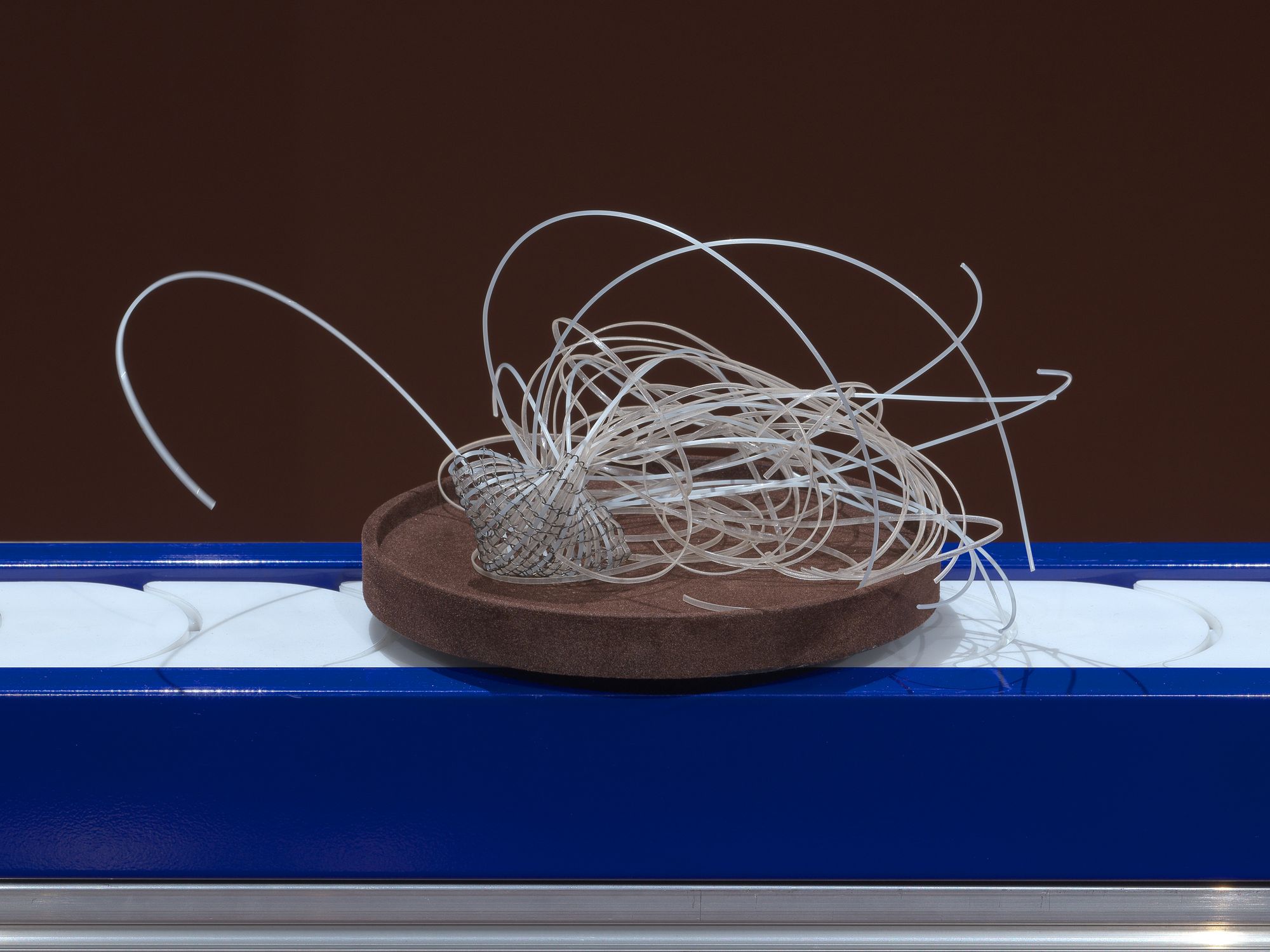
Installation view of Ariana Martinez’s presentation as part of There’s no me without you, an exhibition by Finnegan Shannon at Pioneer Works, 2026.
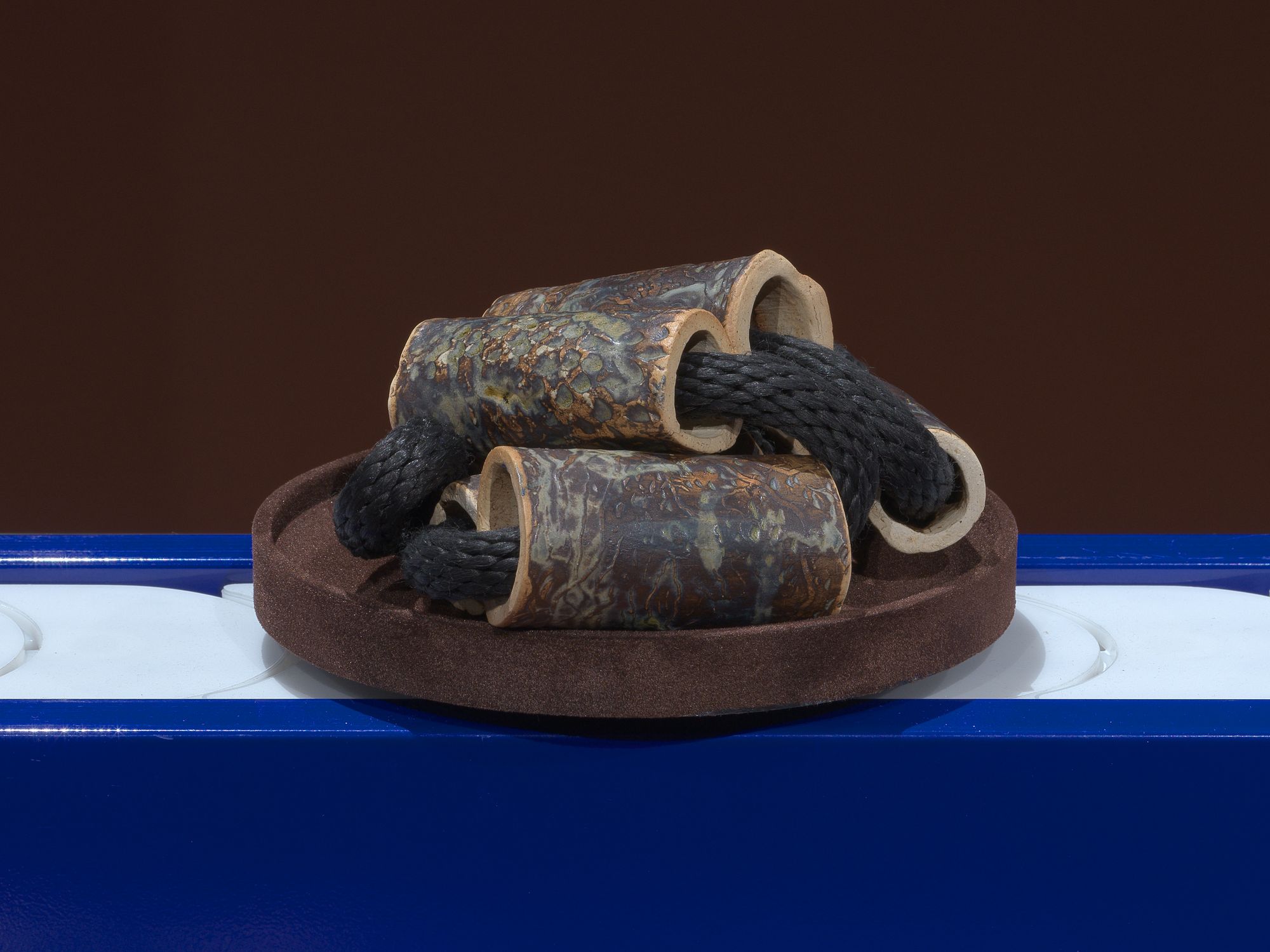
Installation view of Ariana Martinez’s presentation as part of There’s no me without you, an exhibition by Finnegan Shannon at Pioneer Works, 2026.
That conveyor belt came about from this fantasy of—I just wanna sit down [laughs]. And I want to sit down somewhere comfortable, and I want to be able to hold the objects, I want to be able to touch them. I don't want to stand and have to move from artwork to artwork.
Another aspect of the project was that it was my first institutional solo show, so I was thinking about what I actually wanted that to be. My work is so dependent on other artists, and is often an expression of collective or cultural knowledge. That's not how the art world typically operates. It wants to pluck you out and say, "You are an individual genius with all these amazing thoughts." That's just not how I experience being creative. So I was like, oh, what if my work became the structure for other works? And so the conveyor belt carries objects by eight other artists. This idea that the artwork needs other artworks is conceptually important. And instead of being alone in this exciting moment, other people who’ve shaped me and whose work I think is amazing are all at the opening, celebrating together.
Touch is such a central element in your work—knowing that people will sit on your benches or engage with your conveyor belt physically. How do you think about touch, and how does the anticipation of touch and tactility inform the materials you work with?
It's been an increasingly big part of my work ever since I started collaborating with Coklyat on Alt Text as Poetry. As someone who was trained in studio art, nothing in my training acknowledged that working visually could be a barrier, or that not everyone can experience work that way. So as part of my effort to center disabled audiences, I’ve been trying to be more judicious about when and how I work visually and offer other entry points, like an audio tour or some other component. But I think touch is exciting, and really fucks with how museums want to operate. Like with the conveyor belt, every object can be picked up and held. At moCa Cleveland it was gonna be up for six months. We really had no idea how those objects were going to fare. But what I realized through that process was that it was an inversion of a museum’s priorities. Usually the artwork is the most important thing, and everything else supports it. In that project, people are the most important thing, and the artwork can change, regenerate, and be replaced as needed to support peoples’ experience in a museum space.
There’s this notion that the object comes before the person—that the object will outlive us, and we're just passing through. Museums operate on this hierarchy of preservation, where protecting the artwork takes precedence over accommodating the bodies that come to experience it.
There’s also an interesting relationship to ideas around maintenance and repair. With my furniture pieces, they can never be exhibited unless people can use them and sit on them, which presents a challenge to museums and their conservation departments. When someone sits on a bench with a key in their pocket and scratches it, that's part of the work and its making. That’s why a work’s date is actually the year it was fabricated to a never-ending present; it acknowledges that the work will never be finished.
Once I figured out how to get a bench into a museum, I thought to myself, "How do I up the ante?" So I recently created an installation in a group show at the Zimmerli Museum, called Smoke & Mirrors, which was centered around a very, very deluxe massage chair. I was having a conversation with someone about it recently and they were like, usually in a museum we think about a visitor touching the artwork, but it's interesting to also have an artwork that touches you.
I have an abiding love for archives, which of course I share with a good many queer academics. [laughs] During the pandemic, when so much archival material was digitized, I had this unexpected panic. Yes, digitization increases access, but there’s something irreplaceable for me about physical encounter—holding the same paper someone held 50 years ago and getting to feel that connection across time, with the communities I’m researching. I’m drawn to queer artists who work with archives (and so many of them do!), both real and invented, because we’ve had to excavate our own histories, piece together what’s been deliberately erased or never recorded in the first place. What’s your relationship to archival work?
I just had a really transformative experience in the Bishopsgate Institute archives in London, actually. You just walk in off the street, type things in the catalog, then they bring it to you right then. I'm so used to museums where you have to register five days in advance, blah, blah, blah. And so I’m making a new series of works inspired by that archive visit, about a group of disabled lesbians I researched there called Sisters Against Disablement. Their acronym is SAD [laughs]. They created a document in the mid-’80s called the SAD Code, which is a set of guidelines for listing access information for events. In the archive, I saw four or five event flyers from different lesbian events in the ’90s that used this system for sharing access information.
Wow.
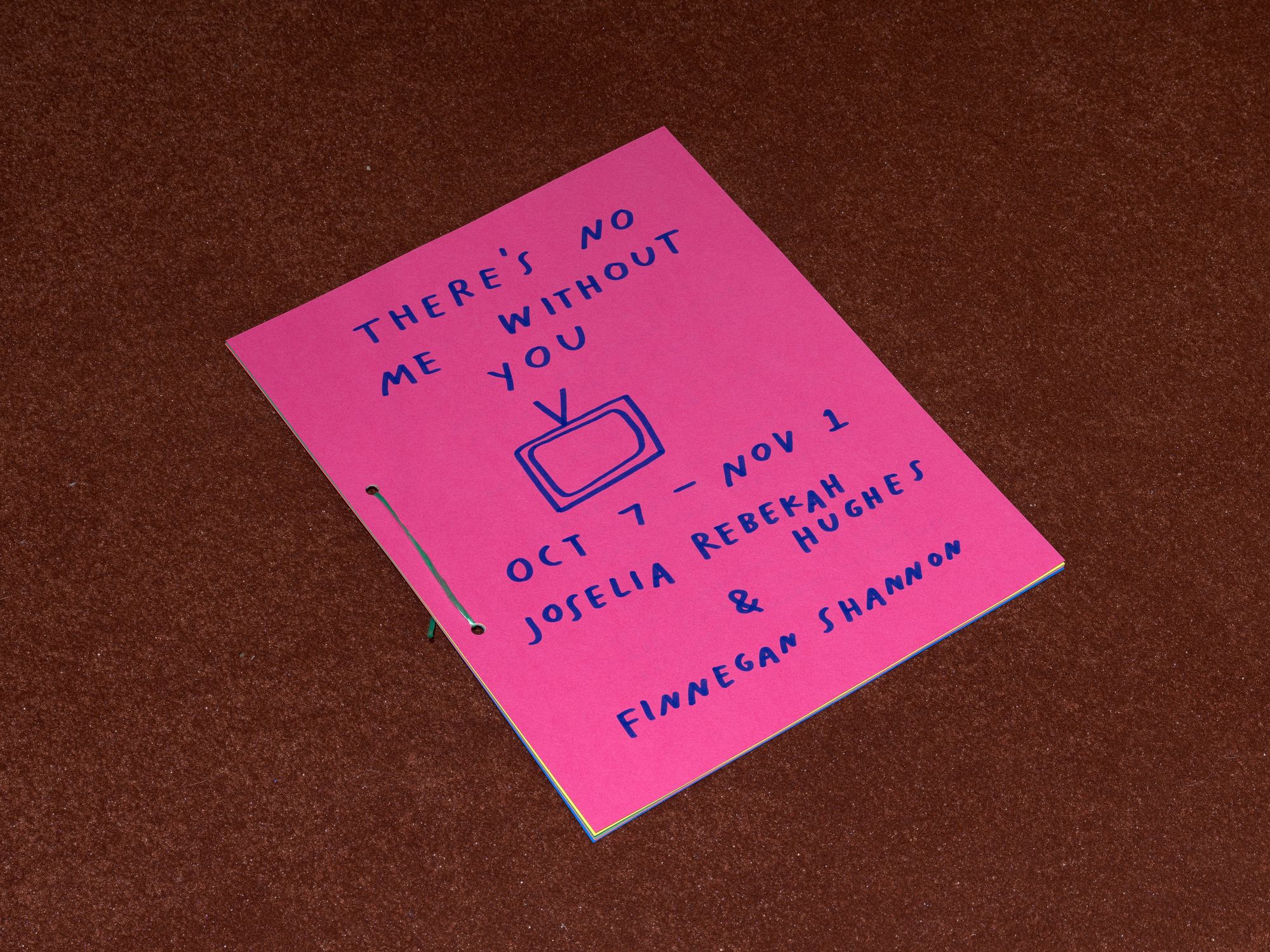
Booklet for Joselia Rebekah Hughes's presentation of There's no me without you, Pioneer Works, 2026.
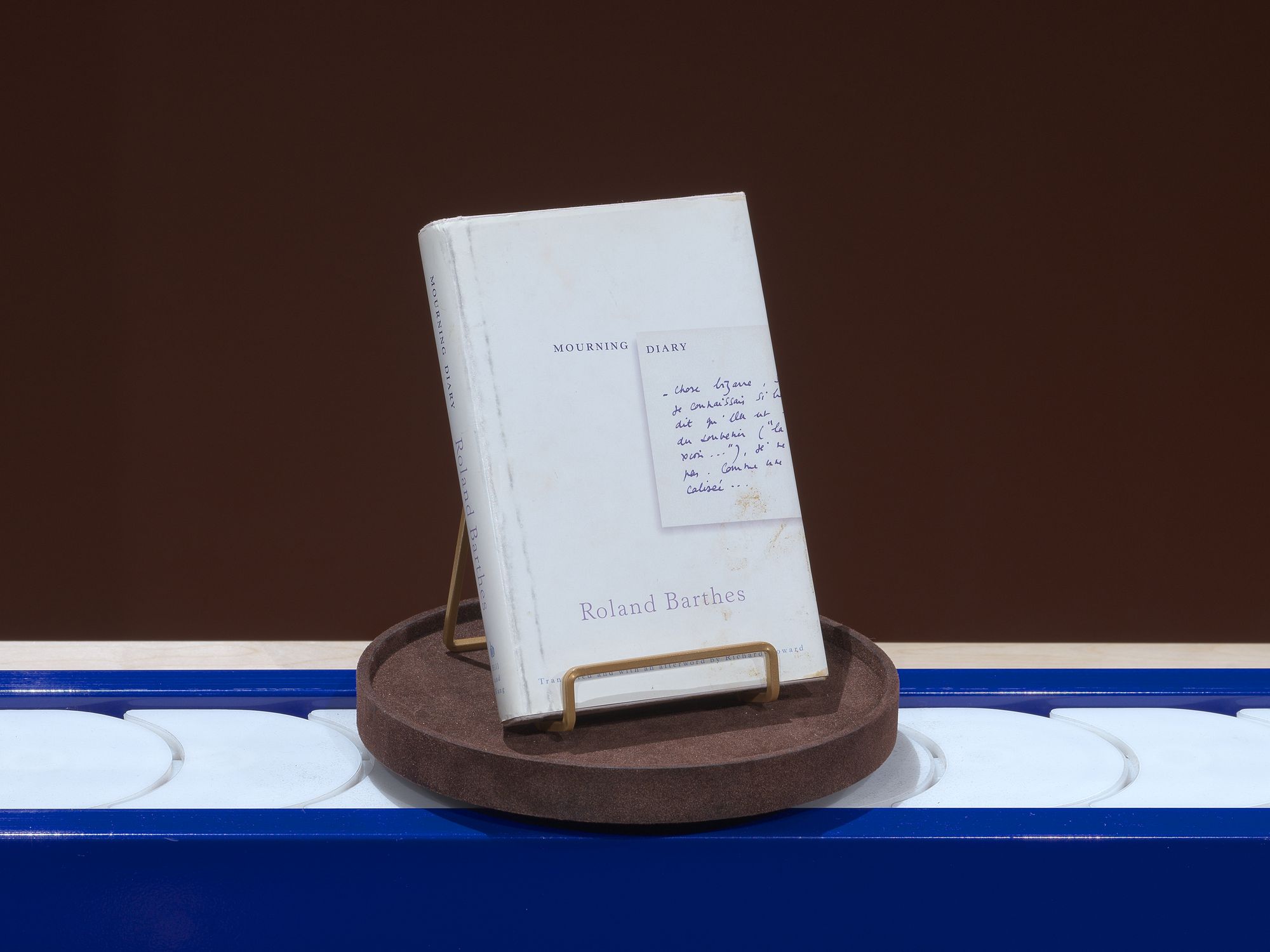
Installation view of Joselia Rebekah Hughes’s presentation as part of There’s no me without you, an exhibition by Finnegan Shannon at Pioneer Works, 2026.
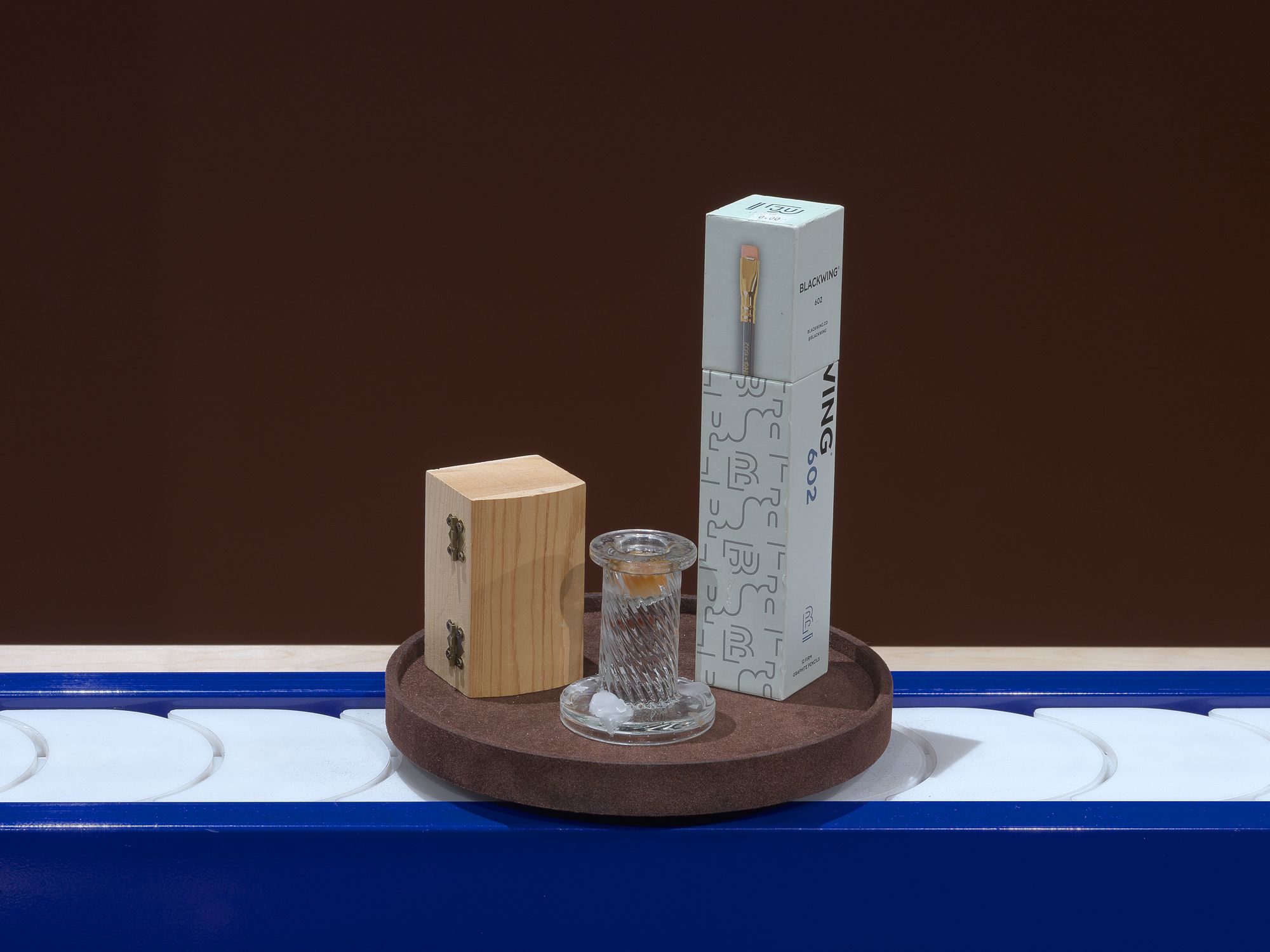
Installation view of Joselia Rebekah Hughes’s presentation as part of There’s no me without you, an exhibition by Finnegan Shannon at Pioneer Works, 2026.
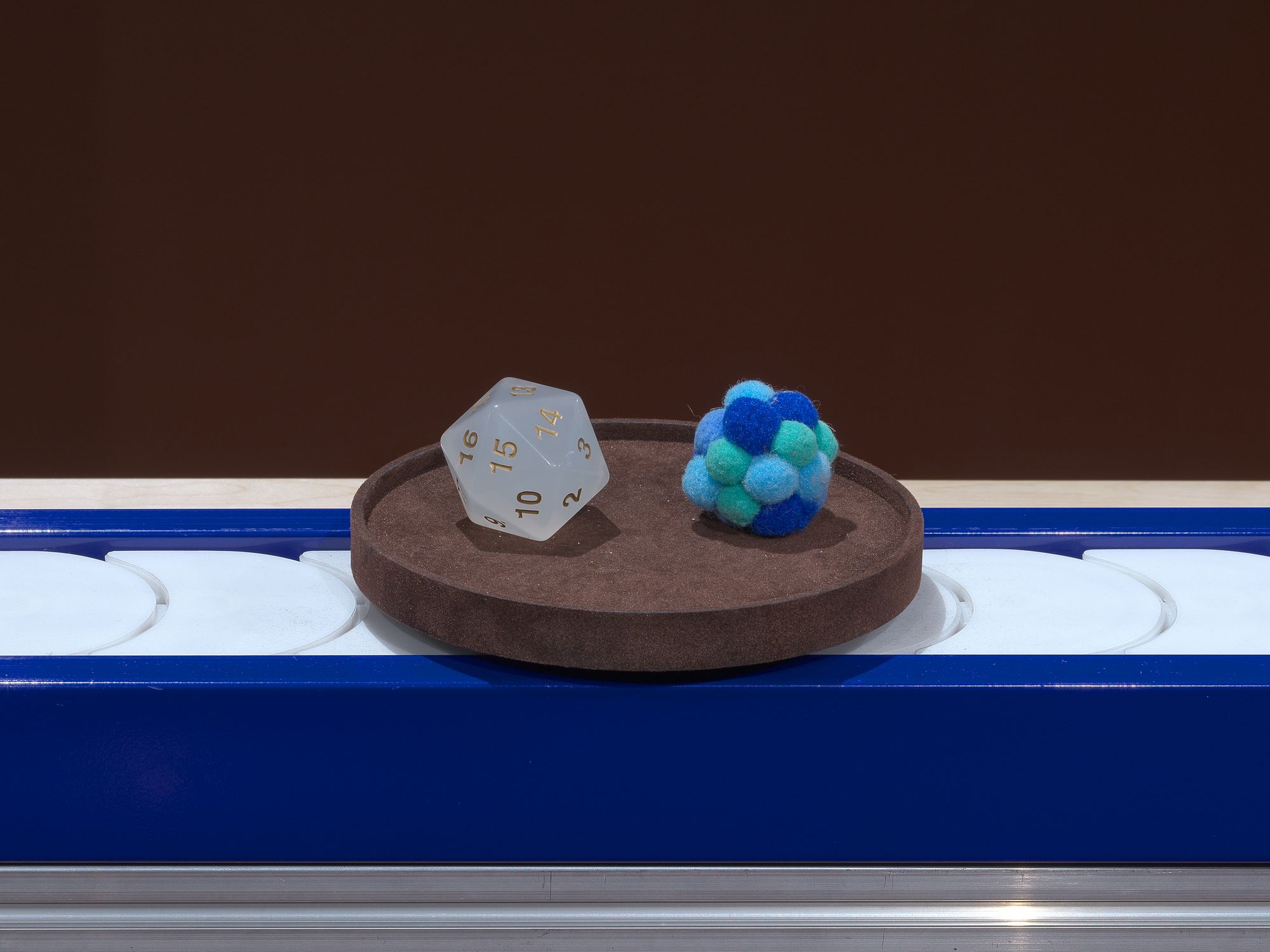
Installation view of Joselia Rebekah Hughes’s presentation as part of There’s no me without you, an exhibition by Finnegan Shannon at Pioneer Works, 2026.
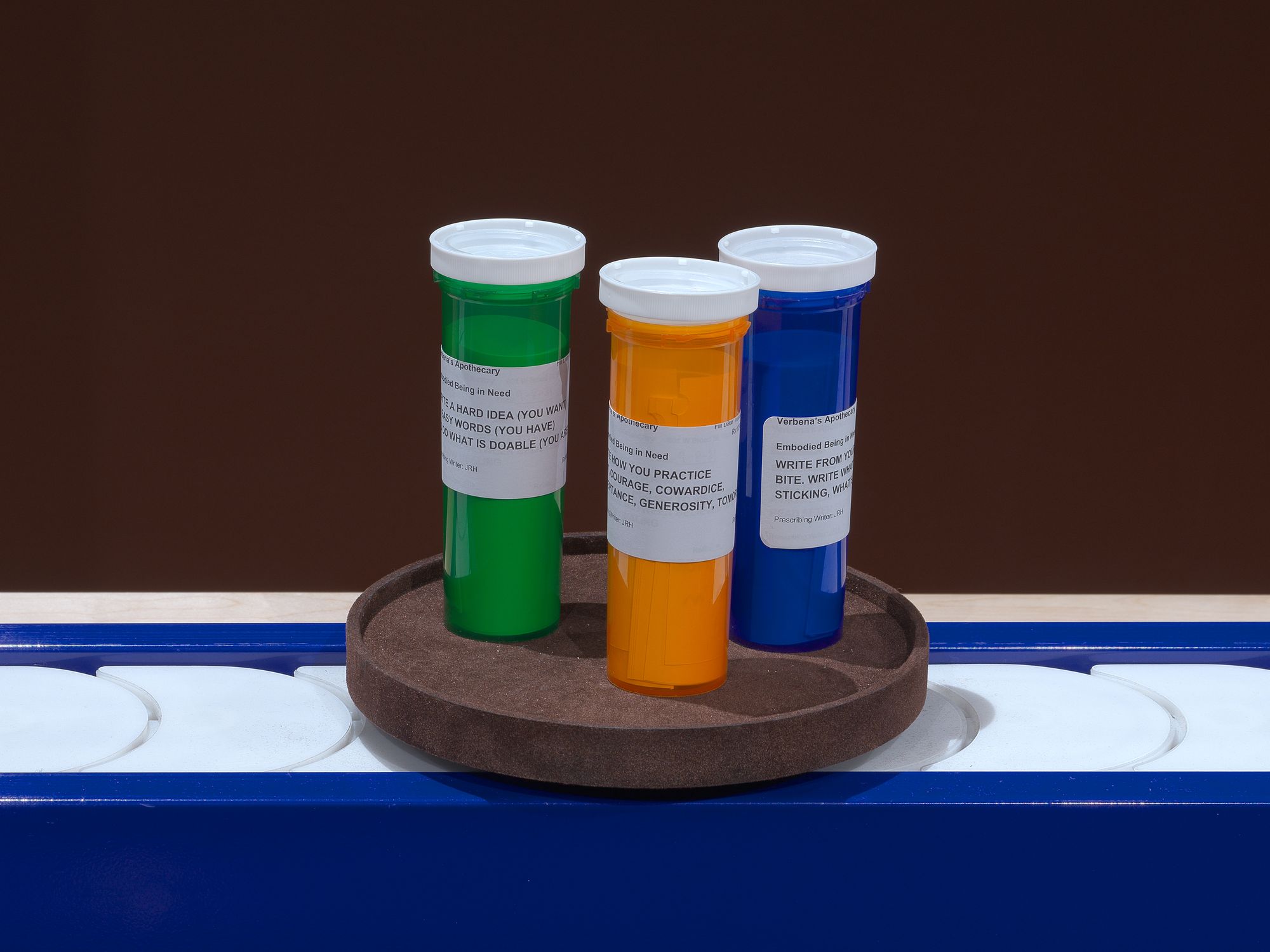
Installation view of Joselia Rebekah Hughes’s presentation as part of There’s no me without you, an exhibition by Finnegan Shannon at Pioneer Works, 2026.
I’m holding those fliers and having a time travel experience, thinking Oh my gosh, I'm still fighting so hard for event access information in 2025, but this group was thinking about it in 1985! I've been making drawings that utilize SAD code language, which can be so beautiful. For example, you’re supposed to describe seating, which I so rarely see in contemporary access information: what kind of chairs are gonna be available there—“hard and soft,” or “low, plentiful, and movable.” What is the flooring like? As someone who slips and trips a lot, I found the flooring descriptions so sweet and almost romantic. But it’s also just a really cool resource. If someone saw these drawings then Googled the SAD code, it would be rad. A lot of my work is just about pointing to something.
A long time ago, I made some drawings of a search bar with the term "504 sit-in" typed in. I think the protest is more known now, but it was when disability activists occupied a federal building in San Francisco, in 1977. They were demanding implementation of Section 504 of the Rehabilitation Act, which was an early piece of civil rights protection for disabled people. I made the drawings because I think this idea that everything’s easily available online is a myth. You need to know what to look for, especially when you're thinking about marginalized communities.
I love hearing you talk about the tenderness of those who slipped and tripped in the past, and then how you point to that history. It makes me think of Jack Halberstam's Queer Art of Failure, where he frames failure as a queer act of refusal. About a year ago I did a clown performance at the Parkside Lounge. As a child, I dreamed of becoming a clown. In a childhood where joy was in rather short supply, going to the circus was quite a revelation. I didn't have the language for it then, but there was something profoundly queer about that space where falling was followed by a good kind of laughter, not out of mockery but admiration. The choreography of stumbling! A professional clown once told me that when an acrobat falls, clowns rush in not to distract from the fall but to deal with it, to address it. And how silly to think that we could go through life without falling. There's a fantastic book by Nuar Alsadir called Animal Joy that explores exactly these questions, I can’t recommend it highly enough.
It's funny you bring up the circus, because I was actually in a preprofessional youth circus as a child.
Oh my God, no way!
Yeah, probably from when I was 12 to 18. I had watched the 1996 Olympics, which was a big year for the American women's gymnastics team. I basically started doing acrobatics in our house. Eventually, my parents put me in gymnastics, but gymnastics is very rigid. You have to be able to do certain things in order to progress. Very quickly I realized I was going to be good at some things, but because I was disabled, I wasn’t going to be able to do other things. A friend was in the circus, and I was like, well, this is a structure where I get to do it how I want to do it. My specialty was hand balancing—so, standing and walking on my hands. It was the first time I felt like I wasn't trying to push my body to be different than it was. It was on terms that I was setting.
That literally flips the assumed position of the body upside down! I love thinking of the circus as this alternative universe where different ways of moving aren't just accepted but celebrated.
Going back to clowns, your work is quite playful and silly, while also being political and critical. It shows that humor and criticality aren’t mutually exclusive. I'm wondering if that approach feels important to the conversations you're trying to generate?
For me it's always been in the work. I think it’s partially just a personality thing. I feel this way a little bit with Christine Sun Kim, too, whose recent Whitney exhibition was so funny. We like to laugh, so that's gonna come into the work. Though it also definitely feels like a reaction to a compliance-oriented approach to thinking about disability as being dry, logistical . . .
Yeah, and the way that enforced seriousness can be so reductive and deny people the full range of human expression.
Yeah. Sometimes I encounter bureaucracy that’s so wildly heartbreaking and painful that I'm just like, "You have to laugh because otherwise you would cry.” I’m thinking of the time I was in an eight-month fight with my insurance company about approving a procedure. It was so enraging and absurd that, for me, humor feels like the only coping mechanism. In the catalogue for Christine’s show she is interviewed and the topic of humor comes up. Christine brought up this other relationship between disability and humor, where disabled people are the butt of the joke. So it feels really exciting to have the humor on our terms. There’s a power play there. It can be a form of politics. ♦
This conversation took place in July 2025 as part of Finnegan Shannon's Working Artist Fellowship.
Subscribe to Broadcast